When you reach for your smartphone, you probably don’t think twice about what personal data it holds. That convenience hides plenty of risk and opportunity.
Data leaks, lost phones, and snooping apps mean privacy is never a given. Digital boundaries keep shifting as apps evolve, making mobile security tips more relevant every week.
Let’s walk through practical, human ways to protect your personal data. These ideas blend realistic action and real-world habits, drawing from proven mobile security tips at every step.
Enabling Device Lock Features Immediately Protects Your Information
Enabling lock features, such as PINs or biometrics, stops strangers from accessing your device the moment it leaves your hand—practical mobile security tips begin with this step.
Choose options you can use consistently, like fingerprint or facial recognition. Devices let you adjust timeouts, so your lock kicks in after a set period of inactivity.
Setting Strong Passcodes for Reliable Security
Six-digit PINs or alphanumeric passcodes make the difference. A bad PIN, like 123456, leaves your personal data vulnerable to anyone picking up your phone.
Avoid birthdays, pet names, or the same code you use everywhere else. Instead, blend numbers and words unique to you—but easy to recall quickly when unlocking.
For mobile security tips, set device prompt frequency to increase: Try activating password entry after screen turns off for more peace of mind.
Fine-Tuning Biometric Features for Maximum Accuracy
Fingerprint and facial recognition offer quick, secure access, but they work best when properly set up in good lighting and calm conditions.
Re-register your prints or face if recognition fails. Update after injuries, changes in looks, or new glasses so you don’t get locked out—or leave loopholes.
Mobile security tips recommend reviewing who else might have registered prints on your phone, and deleting any old ones not in use.
| Lock Type | Setup Time | Security Level | Action to Take |
|---|---|---|---|
| 6-digit PIN | 1 minute | High | Change default PIN from 0000 or 1234 immediately |
| Alphanumeric password | 3 minutes | Very High | Use mix of letters, numbers and symbols |
| Fingerprint scanner | 2 minutes | High | Register both thumbs; re-scan after injuries |
| Facial recognition | 2 minutes | Medium | Update image in good lighting every 6 months |
| No lock | 0 minutes | None | Add at least a PIN right now |
Managing App Permissions to Reduce Data Exposure
Whenever you download an app, it requests access—to your camera, contacts, or location. Managing app permissions gives you direct control over what data apps actually see.
Reviewing your permissions every month keeps you aware. Most mobile security tips call for turning off access to data that apps simply don’t need.
Auditing Current App Permissions Regularly
Open your settings and tap through each app’s permissions panel. If a flashlight app wants your address book, that’s a red flag—remove that access without hesitation.
Compare apps and see which ones request similar permissions. Maps may need your location, but a game probably does not. Act with a purpose, not just out of habit.
- Deny camera and microphone access for games: Avoid eavesdropping risks by giving only video chat apps permission to use those features.
- Limit location sharing to navigation apps: Let only well-known maps know where you are for directions; don’t enable this for weather or photo editors.
- Restrict contact access to messenger apps: Messaging apps need contacts, but fitness or shopping apps rarely do. Check each permission from time to time.
- Review storage access for photo editing tools: Allow photo folders, but don’t authorize app-wide access unless required for sharing or editing pictures.
- Turn off Bluetooth for unknown apps: Keep wireless connections minimized. Only specific hardware accessories typically need permission to connect via Bluetooth.
Following these mobile security tips means less data flows to apps quietly collecting info in the background. Copy this checklist into your calendar as a reminder.
Minimizing Unnecessary App Installations
Each installed app is a door to your personal data. Reducing the number of apps also reduces exposure; clean out unused downloads once per month.
- Uninstall games not played in three months: Old apps may not update their security, which increases vulnerability even when you’re not using them.
- Delete duplicate utility apps: Two weather apps double your chance of leaking location. Stick to one trusted source for each type of tool.
- Avoid installing apps from outside official stores: These apps might not follow privacy standards, putting your information at unnecessary risk.
- Remove outdated productivity tools: If you’ve switched to new tools, clear out old ones. Less clutter makes maintenance easier and more effective.
- Try web versions for limited use: For apps only used occasionally, the website can provide the service without asking for persistent device access.
This simple routine deepens your use of mobile security tips, making app management a regular part of digital hygiene.
Updating Software as a Non-Negotiable Rule
Software updates aren’t just about new features; they close loopholes and fix exploits. Enable automatic updates for your phone’s operating system and enforce app updates instantly.
Fresh software means hackers can’t use old tricks. When following mobile security tips, prioritize updates even if they disrupt your regular screen time for a few minutes.
Routine Updates with Zero Tolerance for Delays
Ignoring update prompts leaves you open to cyberattacks. If your device notifies you about a new version, pause your activity and update before bedtime or lunch.
For apps, tap “Update All” whether you use them weekly or rarely. Red badges on app stores signal that at least one app needs attention—clear those out weekly.
Missed updates can allow attackers access to personal data even if you haven’t launched that app recently, so treat software updates like a digital smoke alarm test.
Turning on Automatic Updates for Set-and-Forget Protection
Head into settings and toggle on the automatic update feature for both system and third-party apps. This hands-off safeguard ensures you never run on out-of-date code.
If your device only installs updates over WiFi, leave WiFi enabled before you sleep. This ensures nighttime updates roll out as soon as they’re available, blocking known vulnerabilities.
For mobile security tips, consider periodic manual checks. Sometimes auto-updates miss system security patches, so check device support pages once a month as a backup habit.
Avoiding Public Wi-Fi and Building Safer Connection Habits
Public Wi-Fi networks, such as airport hotspots, can be breeding grounds for digital eavesdroppers. Choosing safer alternatives immediately reduces data exposure and aligns with top mobile security tips.
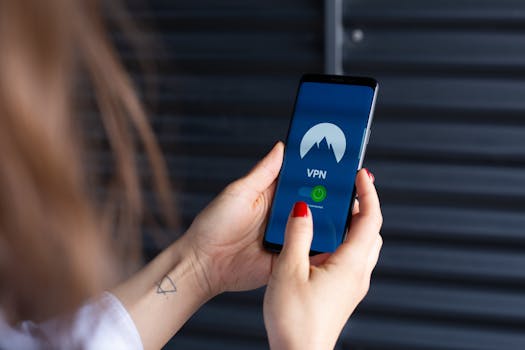
Avoid entering passwords or banking details when on open public Wi-Fi. Instead, use cellular data whenever possible or invest in a trusted VPN app for added privacy.
Recognizing Vulnerable Connections by Behavior
If your device warns about unsecured networks, take it seriously. Wait until you’re on a known, protected network before logging in to sensitive accounts.
Avoid entering credit card numbers in cafes or airports—public Wi-Fi in those areas rarely encrypts data from device to server, putting personal transactions at risk.
Mobile security tips in public places: Watch for fake, almost-identical network names and avoid the temptation of “free” open networks unless absolutely necessary.
Securing Data with a VPN and Cellular Networks
Virtual private network (VPN) apps are like privacy umbrellas, encrypting your traffic and hiding your data from prying eyes on shared networks.
Choose a reputable VPN with strong reviews, not the first free option. Set your VPN to launch automatically when connecting to open or unknown Wi-Fi hotspots.
If possible, rely on mobile data for sensitive actions. Even a small cellular plan is safer for logging into important accounts than an unguarded coffee shop network.
Using Secure Messaging and Two-Factor Authentication Tools
When you move conversations to encrypted messaging apps, eavesdroppers lose their window into your life. Adding two-factor authentication protects accounts beyond passwords alone, central to solid mobile security tips.
Use messaging services with end-to-end encryption for sensitive chats. Whenever you create a new account, enable two-factor authentication immediately to add another layer against threats.
Configuring Encrypted Messaging Without Friction
Choose apps that offer encryption by default. When inviting friends or family to chat, explain it as “locking the mailbox” so only intended recipients view your words.
Make encrypted chats your go-to for anything private: sharing addresses, financial info, or personal stories. Send a quick setup guide to others to help ramp up group chat security too.
Include changing group settings to “invite-only” and requiring admin approval for new members when using group chats for planning personal events.
Turning on Two-Factor Authentication for Everyday Use
Enable two-factor authentication (2FA) through the settings menu of email, banking, or shopping apps. Choose app-based codes over SMS for slightly stronger protection.
Once 2FA is active, save backup codes offline. That way, if you lose your phone, you still regain access without account headaches or risk of lockout due to lost devices.
Mobile security tips include reviewing your 2FA methods during password review—confirm your phone number or authenticator app is still linked and functional each season.
- Enable end-to-end encryption in chat apps: Messages stay unreadable from sender to receiver, blocking interception attempts even through open Wi-Fi networks.
- Configure invite-only group settings: Your group messages stay among those you trust; no strangers slip in through public links.
- Turn on biometric lock for messaging apps: With face or fingerprint, chats stay protected even if your device is unlocked briefly.
- Save 2FA backup codes offline: Jot these somewhere safe, so if you switch phones, you’re not locked out of critical accounts.
- Review authentication sources seasonally: Work and personal logins might change; make 2FA checks a quarterly calendar reminder for strong protection.
Maintaining Good Backup Habits to Prepare for Loss or Theft
Creating regular device backups secures your photos, contacts, and documents. Whether through cloud or local storage, these mobile security tips prepare you to recover after setbacks.
Backing up automatically means you never lose essential data to hardware failure, accidental deletion, or theft. Rest easy knowing your digital life is safe no matter what happens to the device itself.
Scheduling Backups for Both Cloud and Local Storage
Enable cloud backup on your device. Most platforms offer scheduled options—daily, weekly, or after charging overnight. Choose a frequency that matches your digital workflow.
Set up periodic local backups through your computer. Connect your phone via cable and save files to an external drive or device. This extra step doubles your recovery options.
After key events, like vacations or big photo sessions, trigger a manual backup. These mobile security tips turn backups into an automatic safety net, not a stressful afterthought.
Restoring Data Efficiently When Trouble Happens
If your device disappears or breaks, open your chosen backup tool, log in, and follow recovery prompts. Prioritize restoring recent contacts and app data first, not just photos.
Cloud backup apps allow remote data erasure in emergencies. Wipe your lost phone from your account dashboard so thieves can’t steal more than the hardware.
Test your recovery process once a season. For mobile security tips, rehearse restoring a backup to a spare device or emulator, gaining confidence in your real-world resilience.
Proactive Habits and Awareness Complete Your Mobile Security Foundation
Recapping, putting mobile security tips to work means using device locks, auditing app permissions, updating software quickly, and avoiding suspicious Wi-Fi connections—layered actions make a real difference.
Every step builds peace of mind. With so much personal information on our mobile devices, consistent habits ensure your privacy withstands the ever-changing digital landscape with confidence.
The takeaway: When you act thoughtfully, your smartphone becomes a safer tool, not a ticking privacy time bomb. Keep these strategies close and revisit them as your tech and needs evolve.