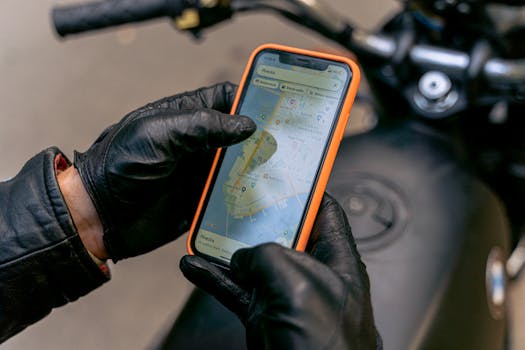
Getting from point A to point B can feel less like a puzzle and more like a breeze—when navigation apps travel with you. These digital guides have become an essential part of any journey, whether you’re exploring a new city or driving cross-country.
Travelers rely on accurate directions not just for efficiency but for unexpected discoveries. A well-used navigation app can help you find shortcuts, steer clear of delays, and choose memorable stops along the way.
This guide unpacks exactly how to use navigation apps travel solutions to enhance every step of your next trip, no matter your experience level. Let’s dig into practical strategies.
Planning Routes with Purpose: Choosing the Right Features from the Start
Deciding which navigation apps travel features to use gives your journey a clear structure. Picking key settings early helps avoid confusion and saves time before you even set out.
Setting your preferences before opening a map removes the “guesswork pause” from trip planning. You’ll match your route expectations with what the app delivers, so surprises are easily managed.
Making Sense of Offline vs Online Usage
Downloading maps ahead of time allows navigation apps travel tools to keep guiding you when cell data drops. Offline maps shine on country roads or in dense urban areas with tricky coverage.
While online maps refresh with real-time updates, offline versions protect against sudden loss of signal. Consider your connectivity situation and choose your map type before leaving home.
In practice, check if your navigation apps travel solution lets you pre-select offline coverage for entire regions or just city centers, so you never feel lost mid-trip.
Customizing Route Preferences to Fit Your Travel Style
Setting preferences allows navigation apps travel to match your exact needs each trip. Select walking, driving, cycling, or public transport, and the app will tailor the route to your mode.
For example, one traveler chooses “avoid tolls and highways” to enjoy scenic backroads, while another opts for “fastest time” to make a meeting. Adjust these settings for each journey and compare results.
Revisit your preferences in the navigation apps travel settings after your first trip segment. Small tweaks—like adding “avoid ferries” or “prefer bike paths”—add efficiency and comfort as you travel on.
| Feature | Online Experience | Offline Capability | Next Step |
|---|---|---|---|
| Traffic Updates | Real-time rerouting keeps you updated | No traffic adjustments available | Plan backup routes before departure |
| Landmark Search | Find new places instantly | Limited to preloaded points of interest | Save crucial destinations in advance |
| Turn-by-turn Voice | Active guidance and recalculation | Works with preloaded maps | Download voice packs if available |
| Route Sharing | Send updates live to others | Share only static routes | Share before going offline |
| Local Business Ratings | View recent reviews while en route | Limited or unavailable | Check ratings ahead of dead zones |
Adapting on the Go: Adjust Navigation Settings for Real-World Scenarios
Staying flexible with your navigation apps travel preferences ensures smoother travel, even when unexpected detours pop up. Quick tweaks can rescue a route at short notice.
For instance, switching from car mode to walking or cycling can unlock alternative paths. The ability to toggle between options saves precious time when traffic or weather changes plans.
Responding to Unexpected Road Closures and Traffic
If your app announces a closure, listen for clear voice instructions or check the map for suggested detours. Glance at alternate route options before confirming the switch.
Verbal prompts such as “Road closed ahead. Take the next exit” mean your navigation apps travel tool is looking out for you. Always double-check signs or ask locals if unsure.
- Switch to satellite view in unfamiliar areas—landmarks help you get oriented fast, even when street names confuse you on busy city grids.
- Enable “avoid highways” in areas with known construction, using backstreets and local alleys to stay moving while others wait in line.
- Save favorite places, like your hotel or a friend’s address, with nicknames so re-routing quickly finds trusted destinations.
- Use app notifications to receive real-time traffic updates without interrupting your focus on driving or walking safety.
- Set up automatic rerouting before you travel—navigation apps travel tools will shift your route if something blocks the road unexpectedly.
Confirm settings work for your travel style before leaving a data zone, as offline mode might limit on-the-fly changes but still keeps you on track.
Managing Battery Usage Without Losing Guidance
Keeping your device charged means you won’t lose navigation. Lower your screen brightness and close unneeded apps to conserve energy on long travel days.
Toggle battery saver mode in your navigation apps travel settings—some apps dim display or pause background tasks but still provide turn-by-turn directions as needed.
- Plug in a portable power bank for multi-day journeys, so your device outlasts the route, even when GPS drains power faster.
- Switch Wi-Fi, Bluetooth, and other services off if not required—these extras don’t add value when your navigation apps travel tool works offline.
- Preload maps over hotel Wi-Fi to save mobile data and decrease screen usage time during transit, avoiding battery-draining map downloads on the road.
- Limit your device’s notifications or silent alerts when traveling unfamiliar routes—alerts cause screen wake-ups and can shorten battery life quickly.
- Use light or dark map themes based on sunlight and time of day to balance readability with energy conservation.
Adjust small habits as you use navigation apps travel guides, and you’ll extend battery life without missing a single turn or critical update.
Building Confidence: Relying on Layered Information for Smart Decisions
Knowing how to use multiple map layers side-by-side helps travelers see a fuller picture. When you activate layers such as weather, terrain, or public transit, navigation apps travel guidance becomes more versatile.
Each layer uncovers details that one view can’t show—like how a satellite overlay reveals a shortcut or a weather map helps you dodge storms on a cross-state trip.
Getting More from Landmarks and Street Views
When exploring new cities, tapping the street view lets you match the digital map with the physical world. You’ll spot buildings, signs, and routes with greater accuracy.
For instance, one traveler compares their hotel’s entrance on navigation apps travel street view with what’s visible in person—matching a red awning makes arrival easier.
Return to landmarks in second visits to adjust your routes. An updated street view may reveal construction or new businesses, ensuring the app’s map matches real city changes.
Using Weather, Terrain, and Transit Layers Together
A hiker consults a terrain layer before heading up a mountain trail in Colorado, while the nearby weather layer warns of rain. This dual insight offers a safer trek.
Switching to a public transit layer when bus icons pop up lets city travelers hop on the right ride without missing hidden stops on their route.
Experiment with toggling between different navigation apps travel layers in a safe spot first. Combining several views gives the sharpest sense of local conditions.
Following Local Laws and Customs: Safe and Legal App Usage
Learning specific navigation rules in different regions protects you from hassle. Adjust your navigation apps travel behavior to local laws to avoid fines and confusion.
For instance, in some countries, using a smartphone while driving—even hands-free navigation—can lead to tickets. Always check local guidelines before your journey begins.
Complying with Hands-Free Rules on the Road
When driving, fix your device securely on the dashboard or windshield, as required by many states. Voice commands mean you can keep your eyes forward at all times.
Say “navigate home” or “find gas near me” out loud—many navigation apps travel solutions understand voice input for safe, legal route adjustments. Practice voice commands before you hit the road.
Respecting Pedestrian, Bike, and Scooter Zones
Switch to walking or cycling mode before entering pedestrian-heavy areas. Some zones prohibit motor vehicles but allow bicycles or scooters. Navigation apps travel modes switch accordingly for compliance.
If unsure, physically watch how locals use the space. If everyone is on foot, put away your scooter or bike and adjust your app settings to match.
As soon as maps indicate “pedestrian only,” slow down and follow posted signs. Your app’s spoken warnings echo what’s visible, helping everyone follow the same route safely.
Level Up with Advanced Tips: Sync, Share, and Remember Better
Utilize syncing and sharing options in your navigation apps travel to streamline meeting up with groups or planning multi-destination trips. Advanced features save steps later.
For example, sharing your live location lets friends track your arrival, reducing back-and-forth texts and keeping everyone updated if traffic delays happen.
Syncing Itineraries Across Multiple Devices
Link navigation apps travel routes between your phone, tablet, and laptop. Use cloud-based services or account sign-in for instant updating across your tech, even mid-trip.
If a device is lost or battery dies, simply log in elsewhere and pick up your route exactly where you left off—no stress, no guesswork about your next turn.
Practice syncing your current trip plan before your next vacation. It’ll feel natural to update on any device, with all your map notes intact and ready to go.
Sharing Live Locations and Saved Places with Friends
Before splitting up in a theme park, one traveler shares live location details so the group can reconnect easily—even if cell signal fades in crowded areas.
For family trips, saving home bases and restaurants to a shared map keeps everyone on the same page. Aunt Mary just taps “navigate” and goes, no repeated directions needed.
Create group folders with shared saved places for layered planning. Everyone’s best pick shows up on the map, making navigation apps travel more collaborative and fun.
Making Accessibility Simple: Supporting Every Traveler’s Unique Needs
Navigation apps travel tools are most useful when everyone can access key features. Adjusting navigation to individual needs turns a simple device into an essential partner.
Use text-to-speech, large icons, and high-contrast modes for easier reading and understanding, whether you have low vision, hearing loss, or balancing extra bags and kids.
- Enable voice navigation for those with low vision—spoken street names and distances help travelers navigate safely without constant screen checks, especially in unfamiliar places.
- Turn on vibration alerts if you’re traveling in noisy environments—silent haptic feedback offers crucial cues so you don’t miss a turn when headphones are out of reach.
- Select high-contrast map modes for users with color blindness, making paths and hazards easier to spot even in bright sunlight or rainy weather.
- Choose larger text or map icons for children or older adults—navigation apps travel guides then cater to everyone in the family, not just tech-savvy users.
- Test “reduce motion” settings on the app if you’re motion-sensitive—less screen animation reduces dizziness for people prone to travel sickness.
Travel with Confidence—Navigation Apps as Your Co-Pilot
You’ve learned how to tailor navigation apps travel solutions for authentic, practical trip improvements from route planning to managing charging and sharing progress with friends and family.
Each step—from choosing offline maps and optimizing battery, to syncing devices or relying on live layers—lets you travel more boldly and stress-free, even in unfamiliar territory.
Use these navigation apps travel strategies on your next journey for directions that feel natural and routes that showcase local gems. Your phone just became your smartest travel partner.