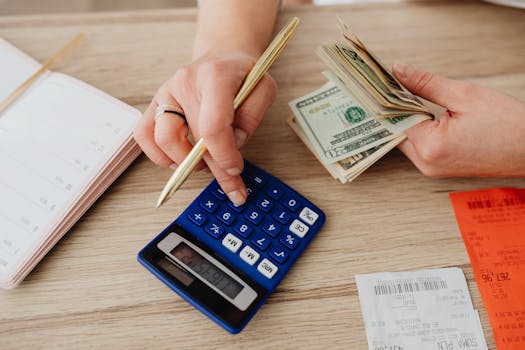
Missing a payment deadline can throw off your day and your finances. To avoid late fees, building reliable habits is a game changer that’s easy to start.
Staying ahead of bills isn’t just about discipline. It can mean the difference between steady progress and hidden setbacks. Small, everyday tweaks help keep money—and your plans—on track.
This guide walks you step-by-step through practical routines, strategies, and real-life examples so you avoid late fees and feel more confident about every dollar.
Turn Reminders Into Reliable Action Steps for Every Bill
Clear reminders turn intentions into habit. If you tend to pay late, try adding specific cues that prompt immediate action and reinforce your goal to avoid late fees.
Everyone has forgetful moments, but setting up practical reminders ensures payments happen on time. The right triggers convert a forgetful routine into one that helps you avoid late fees automatically.
Use Recurring Digital Calendar Alerts
Set calendar reminders for each recurring bill. Use language like, “Pay credit card today” so your future self acts quickly without confusion or delay.
Pair reminders with a review of your bank app. That way, the process to avoid late fees becomes second nature and builds a protective routine for your money.
Try adjusting alert timing if you notice you still procrastinate. Move the reminder up a day or two so you avoid last-minute stress and late fees.
Create a Sticky Note System for Physical Bills
Place sticky notes on your desk or fridge with payment dates. Seeing a bill’s deadline every day keeps “avoid late fees” front-of-mind in your daily routine.
Write actionable commands, like “Mail water bill by Thursday” instead of vague reminders. This clarity moves you from knowing to actually doing.
Stack notes in order of urgency, or cross them off once paid. Make the act of removing a note a rewarding mini-habit that reinforces paying on time.
| Payment Type | Reminder Method | Setup Time | Next Step |
|---|---|---|---|
| Credit Card | Calendar App | 5 Minutes | Add monthly repeating reminder with due date details |
| Utility Bill | Sticky Note | 2 Minutes | Write note and stick to frequently seen spot |
| Rent/Mortgage | Email Alert | 10 Minutes | Sign up for landlord or bank email reminders |
| Subscription | Text Notification | 5 Minutes | Enable text alerts with service provider |
| Loan Payment | Bank Auto-Reminder | 5 Minutes | Schedule monthly alert in your bank app |
Set Up Systems That Remove Willpower from Bill Payments
Building systems makes late fees less likely by taking choice out of the equation. Automated actions help you consistently avoid late fees—even when life gets busy.
You don’t need to rely only on memory. With the right setup, your finances can run on autopilot, so you avoid late fees without added stress.
Choose Autopay for Bills That Never Vary
Autopay is best for fixed bills like subscriptions or internet. Set and forget autopay so you never miss a payment and consistently avoid late fees for those bills.
Double-check the amount and timing every month before the payment goes out. If you spot errors, you’ve got time to pause or adjust autopay without risking late fees.
- Create recurring payments for predictable bills, so your bank sends money automatically without needing reminders—an effective long-term way to avoid late fees.
- Check your account balance before each scheduled autopay, ensuring there’s enough to cover the payment and protect yourself from overdrafts or late fees.
- Update expired debit or credit cards for existing autopay accounts. If payment fails, you stop avoiding late fees and can face surprise charges.
- Set a calendar alert for the day after autopay runs to confirm your payment went through successfully and catch any issues that may risk late fees.
- Review all active autopay setups monthly. This helps you spot unused or duplicate services, helping you avoid late fees and cut wasteful spending.
For new habits to stick, simplify steps as much as possible. If the path to avoid late fees feels easy, you’re more likely to follow through every month.
Direct Your Paycheck to Cover Your Biggest Bills First
Have your paycheck deposited straight into the account you use for major bills. For example, allocate rent or mortgage money first, so you avoid late fees by design.
If your workplace allows split direct deposit, assign a percentage or flat amount for each main bill. This keeps important funds separate and earmarked for avoiding late fees.
- Set up direct deposit splits based on bill sizes, e.g., 30 percent for rent, so the right amount is dedicated before you spend a dollar elsewhere.
- Maintain bill-specific bank accounts. Separate accounts reduce temptation to spend that money and increase your ability to avoid late fees easily.
- Schedule payment immediately after each payday, reducing the risk of forgetting to pay your biggest bills late and paying unnecessary fees.
- Track deposits and transfers on payday to make sure every designated bill account stays funded according to plan, tightening your defense against late fees.
- Audit your transfer schedule quarterly. Adjust splits as bills change to ensure you’re always set up to cover obligations and avoid late fees without last-minute panic.
With proactive automation, you’re relieved of the heavy lifting. These systems work in the background, reliably helping you avoid late fees every single cycle.
Prioritize Bills Using Due Dates and Strategic Timing
Order matters when bills stack up. Tackling urgent due dates first keeps money flowing in the right order and helps you avoid late fees across every account.
If one bill falls behind, others might follow. A clear priority list makes sure your most time-sensitive payments are always at the front of your attention.
Create a Monthly Due Date Roadmap
Make a calendar or spreadsheet of every bill’s due date each month. Check off each payment as it’s made to keep your “avoid late fees” plan visual and actionable.
List bills in order of earliest due date. Tackle the top item as soon as you get paid—the momentum keeps late fees away for the rest of the cycle.
If due dates cluster, reach out to creditors to ask if dates can be shifted. Many companies will move your due date to help you avoid late fees more easily.
Use a Color-Coding System to Spot At-Risk Payments
Assign a color for each urgency level: red for tomorrow, yellow for next week, green for paid. This quick visual check helps you focus where it matters.
Hang the chart in an obvious place—by your keys, for example. That keeps late fees top-of-mind as you come and go each day.
Each time you mark a bill as paid, reward yourself with a break or favorite snack. Repeat the habit, and paying on time (and avoiding late fees) gets easier.
Stay Ahead by Building a Mini Buffer Fund
Even small savings are a buffer against timing mistakes. Building a mini fund means you can avoid late fees even when something derails your usual plans for a week.
Think of this fund as a safety cushion. Missing a payment due to an emergency lands differently if money is available to cover essentials and avoid late fees.
Automate Small, Regular Transfers for Your Buffer
Set your bank app to move a small amount—like $10 or $25—to savings with every paycheck. It slowly grows your cushion without requiring big sacrifices.
Label this fund “Bill Safety Buffer” to remind yourself of its purpose: every transfer brings you closer to another month without late fees.
If tempted to dip into it for something non-essential, remember the satisfaction of saying, “I never pay late fees anymore.” That future feeling is worth waiting for.
Keep Buffer Fund Access Separate from Everyday Spending
Use a savings account or an app with a lock feature to limit instant transfers back to checking. This minor barrier stops impulse spending and keeps your avoid late fees goal intact.
If you really need to use the buffer, transfer only the exact bill amount. Don’t tap into the cushion for extras so you protect it for real emergencies.
Review your buffer amount during bill week. Top it up if your account balance allows, so you’re always one step ahead and poised to avoid late fees no matter what.
Rework Your Bill Schedule for a Consistent Flow
Adjusting payment schedules minimizes cash crunches and overlaps. Focus on spreading payments so you never feel squeezed and avoid late fees with less stress.
Most utilities, lenders, and creditors let you change your bill due date—one email or call creates more breathing room and increases your ability to avoid late fees.
Target Payday-Friendly Due Dates
Call customer service and request due dates a few days after payday. That way every major bill can be paid as soon as the money lands in your account.
Relining payments around payday makes it much simpler to avoid late fees—income and expenses flow in sync, making budgeting feel less like juggling.
If one due date can’t move, shift the flexible ones. Adjusting even one or two bills creates a smoother, more predictable financial routine.
Bunch Small Bills Together
Combine smaller payments, like music subscriptions or app memberships, onto one day each month. Paying them together minimizes mental clutter and late fees.
Set one reminder for all minor subscriptions. Once paid, cross a group of items off at once, building confidence in your avoid late fees routine each cycle.
This strategy shrinks the number of days you need to remember, making late fees less of a lurking hazard and organizing your bills into manageable batches.
Troubleshoot Common Reasons for Missed Payments
Pain points sneak up and sabotage even the best avoid late fees habit. Identifying common hurdles helps you catch problems early and keep your streak alive.
Be honest about bottlenecks. Whether it’s app glitches or slow mail, naming the problem means you can plan for it—so late fees don’t become a regular expense.
Tech Errors and Communication Breakdowns
Sometimes autopay fails due to software updates or bank issues. If your phone pings with an unexpected alert, call your bank or lender right away to update info.
Ask for a late fee waiver the first time tech trouble causes a missed payment. Many companies will say yes if you communicate quickly and usually pay on time.
Check for bill notifications in spam folders. Mark trusted senders as safe so your avoid late fees plan doesn’t get tripped up by a lost reminder email.
Manual Payments Lost in Transit
Mailing checks? Add five business days to your usual timeline to make sure the payment arrives before the due date and you avoid late fees.
Track the envelope. Use delivery confirmation when possible so you know exactly when a payment clears, giving you peace of mind and proof if needed.
If a payment hits late because of mail delays, document your send date and notify the creditor. Ask for a courtesy removal of the late fee, citing proof of timely action.
Stack Habit Cues to Make On-Time Payments Effortless
Bundling bill reminders with existing habits locks in routine. If you tie payment to a daily task, your avoid late fees strategy runs automatically.
An example: If you always check your phone with morning coffee, set a rule—”I’ll pay my bill after my first cup.” Stacking builds momentum.
Pair Payments with a Non-Negotiable Habit
Choose a daily behavior, like feeding a pet or locking your front door. Each time you do that task, review your payment list and pay any due bills right after.
This doubling-up means you never leave a bill to chance. The main habit becomes your “trigger” to stay proactive and avoid late fees every week.
After a few cycles, your brain links the tasks. You’ll notice you feel a sense of relief when both habits are done in sequence—an instant reward loop.
Write a Mini-Script for Bill-Time
Set aside a phrase, like “I’ll handle my water bill now, so I can relax later.” Speaking the intention out loud cements commitment and reduces procrastination.
This dialog reduces mental friction. Articulating the benefit—peace of mind—makes the routine easier and directly relates to your mission to avoid late fees.
You can pin the script somewhere visible or repeat it as a mantra. Each repetition weaves bill paying into everyday life for maximum consistency.
Keep Your Avoid Late Fees Wins Going All Year
Consistent routines drive financial peace of mind. The more you stack good habits, the easier it is to avoid late fees month after month and keep money stress away.
Structured habits and small automation steps prevent slip-ups. Whether it’s big bills or small ones, your effort today builds resilience against avoidable costs.
Staying alert—updating reminders, tracking due dates, adjusting payments—pays off in more than savings. You’ll feel empowered by your ability to avoid late fees every cycle.
Next time you congratulate yourself for an on-time payment, remember: Each win is proof your financial habits work. Keep adapting your avoid late fees strategies as life changes.
You have the tools to stay in control of your finances. Maintaining your focus on these small habits will consistently help you avoid late fees and reach your goals with confidence.