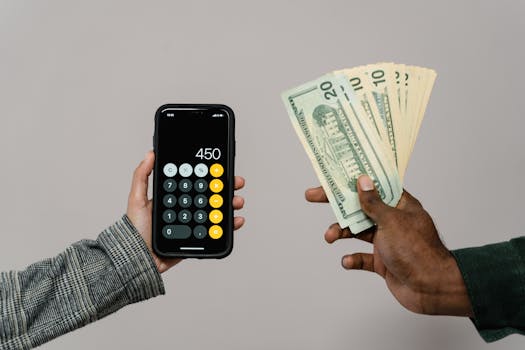
Every month, money seems to slip through gaps you didn’t even know existed. Staying on top of where each dollar goes is tough without the right system. A practical approach to this is using a budgeting apps guide—a proven way to see your cash flow in real time and gain command over your spending.
Managing money thoughtfully isn’t just about pinching pennies; it’s about understanding your spending patterns and making smart, planned choices. People across the U.S. rely on digital tools—even a simple budgeting apps guide—to keep their finances on track and steer clear of financial stress.
This article lays out the practical steps and workflows for using a budgeting apps guide, so you can make informed choices every day, cut financial anxiety, and feel more confident as your bank balance reflects your actual goals.
Setting Up Your App for Daily Success
With the right start, you’ll use a budgeting apps guide that fits seamlessly into your daily routine. Begin by downloading a reliable budgeting app from your trusted app store.
Enable notifications immediately. This step ensures you receive budget reminders, spending alerts, and account updates without missing critical moments that influence your cash flow.
Inputting Accurate Financial Details
Organize your bank account and credit card info before entering it in the app. This accuracy forms the backbone of your budgeting apps guide and avoids confusion later.
Ensure every income stream is listed, not just your main paycheck. This includes part-time jobs, side gigs, or even regular cash gifts—anything impacting your true earning power.
Sit in front of your statements as you type each figure in; double check each entry and pause at transactions that seem ‘off.’ This verifies the foundation of your plan.
Setting Categories That Reflect Your Life
Replace generic spending labels with realistic categories like ‘morning coffee runs’ or ‘dog grooming.’ Your budgeting apps guide becomes more effective, leading to actionable insights you’ll actually remember.
Add new categories when major life changes occur—such as moving to a new apartment, getting a pet, or starting a fitness hobby—so your budget always fits your current priorities.
Customize category icons if the app allows it. Personalization builds a sense of ownership, reminding you that your budgeting apps guide is designed around your real needs.
| App Feature | What It Does | When to Use | Next Step |
|---|---|---|---|
| Spending Alerts | Warns if you approach or exceed a budget limit | Weekly or daily, depending on app settings | Adjust spending in flagged category today |
| Goal Tracking | Shows visual progress toward savings or debt payoff | After setting savings or debt milestones | Review status at month-end and tweak if needed |
| Recurring Expenses | Automatically logs bills and subscriptions | On initial setup and during monthly reviews | Batch cancel or switch plans from the dashboard |
| Transaction Import | Pulls in banking data for seamless tracking | When linking to new accounts | Check for duplicate or missing entries now |
| Custom Reports | Provides data visualization for your habits | After the first full month of tracking | Note trends and set one action for next month |
Identifying Your Money Drains and Acting Fast
Spotting where your cash leaks occur lets you act with clarity, not panic. This budgeting apps guide section teaches you to react quickly and with purpose.
Examine transaction histories for repeat patterns—such as late-night food orders right after payday. Use the app’s filters or search bar for fast sorting.
Flag Nonessential Expenses in One Tap
Tap to highlight nonessentials—fast food, rideshares, subscription services you don’t use. A budgeting apps guide makes these outflows visible in seconds, prompting faster decisions.
Color-coding helps spot overspending zones at a glance. Switch categories to ‘review’ or ‘cut’ during your weekly budget check-in for instant actionability.
- Pause a category if you haven’t used it in 30 days. This prevents money slipping out from auto-renewals or unused gym memberships.
- Set in-app reminders to revisit flagged categories every week. Reading the data aloud during Sunday coffee solidifies new spending limits.
- Use app hashtags or emoji to note why a purchase was made. This detail matters; it helps avoid repeating impulsive or unnecessary spending.
- Share your flagged list with a partner if you budget as a household. Make the discussion routine: “Let’s go over what we can drop this month.”
- Combine flagged expenses into a single ‘reset’ budget for the next month. This gives you a concrete target: “Spend $50 a week less on dining out.”
Begin with small, visible changes, not sweeping promises. Action trumps intentions in every budgeting apps guide: catch a money drain and adjust your routine tonight.
Act on Category Trends Promptly
Review your biggest spending spikes immediately. The budgeting apps guide won’t wait; act as soon as the app pings a threshold.
Freeze a category for the week if spending rises too quickly—no coffee runs, no new streaming sign-ups. Quick action trains new habits.
- Turn off auto-pay for non-vital services, then check back in a week to see if you really miss them. If not, unsubscribe for good.
- Move leftover funds from categories you underspent in. Celebrate by moving those dollars into savings or an extra debt payment.
- Screenshot trends and keep them in a photo album for easy reference. What you can see, you can manage quickly with your budgeting apps guide.
- Tell a friend or accountability partner what category you want to shrink next month—“I want $30 less in rideshares.” Peer support boosts follow-through.
- When a trend worries you, schedule a talk with yourself: “On Thursday night, I’ll plan to cut my app store purchases by half.” Put it on your calendar.
When you recognize a pattern, change just one thing today. The budgeting apps guide isn’t just data—it’s your step-by-step manual for smarter decisions.
Automating Good Habits for Consistent Progress
Turning manual steps into automated routines ensures your budgeting apps guide works while you sleep. Automation saves brainpower and time, increasing the odds you reach your goals.
Schedule Whole-Account Reviews
Create a recurring monthly calendar event called “Audit My Budget”—set an exact date and time. This keeps your budgeting apps guide current, not stale or forgotten.
During these reviews, scroll through every category. Ask, “Did this reflect my real life?” If not, make immediate adjustments for the next month.
If you skipped a review, set a catch-up reminder for the next evening. Consistency means your budgeting apps guide reflects reality, not blind optimism.
Set Automatic Transfers for Bills and Savings
Schedule automatic payments for your must-pay bills—utilities, rent, car insurance—in your banking app directly. Your budgeting apps guide displays these as paid, lessening anxiety.
Set another transfer into a savings goal right after payday. If you hide it away before you can spend it, your savings success is almost guaranteed.
Check that each automation succeeded the day after. If a payment failed, fix it that day, so your budgeting apps guide remains accurate and you dodge late fees.
Using Detailed Spending Reports to Pivot Quickly
Detailed reports make every decision grounded in real numbers. A budgeting apps guide gives you more than a monthly summary—it provides the exact data you need for fast pivots.
Look at pie charts, bar graphs, or even simple lists broken down by week or month to spot areas where your plans need an update.
Review Reports During Family or Roommate Meetings
If you budget together, show reports at your regular household money talk. Say: “Let’s look at last month’s app pie chart—can we trim snacks or rideshares?”
Let everyone name their ‘easy’ category to cut. You might hear, “I barely bought takeout last month—let’s halve that category.” Act on this feedback now.
Update next month’s budget categories immediately, while everyone’s focused. Your budgeting apps guide works best as a living plan, not a static one.
Coordinate Financial Moves Across Multiple Accounts
If you manage personal and joint accounts, export app reports into a spreadsheet. Sort them by account, then ask, “Does our shared spending fit our real goals?”
Keep a running notes document: “Transfer $40 from groceries to travel next month.” Copy this instruction to your budgeting apps guide for instant realignment.
If you spot errors in app reports, correct them now and note why; this spot-checking guards future accuracy and strengthens trust in your process.
Troubleshooting App Hiccups and Staying Flexible
Knowing how to navigate snags ensures your budgeting apps guide keeps working, rain or shine. Not all glitches need tech support—many have simple solutions you can try at home.
If an app disconnects from your bank, wait an hour and retry once. Most issues are temporary, and re-linking is only a minute’s work with your logins handy.
Manual Entry for Missed Transactions
If a payment or deposit is missing from your app, enter it manually. The budgeting apps guide maintains accuracy if you fill gaps as soon as you notice them.
Double-check against paper statements or online banking if the total still seems off. Reconciling is an active step—don’t wait days hoping the app will fix itself.
When you discover a category error, correct the item and jot a note: “Manual fix, June 12, 8PM, $30.” Document each fix for future reference or troubleshooting.
Adjusting Budgets After Surprises
If you get an unexpected bill or windfall, open your budgeting apps guide. Move money between categories the same day, reflecting the new info.
Say, “I’ll shift $60 from entertainment to medical now.” This immediate response keeps your tracking relevant, not retroactive.
Set a temporary reminder in the app: “Unusual electric bill—check again in 30 days.” This keeps your guide honest, adapting to real life’s twists.
Building Accountability and Momentum with Your Guide
Using your budgeting apps guide to foster accountability inspires you to stay the course. Real support, whether from a friend or solo check-ins, strengthens good habits over time.
Announce your savings target on a family chalkboard or chat message—”This month, I’m saving $200.” Visible goals boost follow-through with every glance or mention.
Weekly Check-Ins for Continuous Improvement
Every Sunday evening, sit with your budgeting apps guide and review the week’s results. Mark categories as “on track” or “needs work” for clarity.
Use a traffic light system—green for great, yellow for warning, red for action needed. Quick visual cues improve motivation and performance.
Update next week’s micro-goal. For example: “Cut streaming by $10, shift to meal prepping twice.” Log the action so you see real progress.
Celebrate Milestones and Small Wins
When you hit a goal—maybe a zero-dining-out week—treat yourself with something free or cheap. Share: “I met my target, and today I’ll go for a relaxing walk.”
List mini-rewards you enjoy that don’t disrupt the next month’s budget—think DIY spa days or borrowing a favorite book from the library.
Document your wins in the app as notes or tags—seeing a record of success helps make the budgeting apps guide feel rewarding and personal.
Your Personalized Budgeting System, One Week at a Time
Following a budgeting apps guide builds reliable routines in manageable chunks. No need to overhaul everything all at once—small steps compound as you gain new skills each week.
Anyone can use these tools—students, retirees, families, solo earners—to make their goals more visible and decisions more intentional.
Stay curious with each week’s app review: Try tweaking one more category or rule, then observe how your habits shift. Every improvement counts, no matter how minor.