Picture a morning where your phone doesn’t send you into chaos, but gently guides your next step. Adopting digital habits tips like these can turn every day into a smoother ride.
Managing devices well lets you control your time and energy. Tech overload slips away, and deliberate routines step in, giving you time for what matters.
Embrace digital habits tips across your tech routine. In this guide, pick up specific, actionable habits designed to bring structure, focus, and satisfaction to each day.
Set Device Boundaries to Start and End Your Day with Focus
Deliberate boundaries mean you decide how technology fits into your mornings and evenings. This creates a predictable rhythm that boosts clarity and keeps high-stress moments at bay.
Using digital habits tips like setting device limits lets you start your day on your terms—not your inbox’s terms. Your first and last steps shape your energy for everything in between.
Define Morning Device-Free Zones
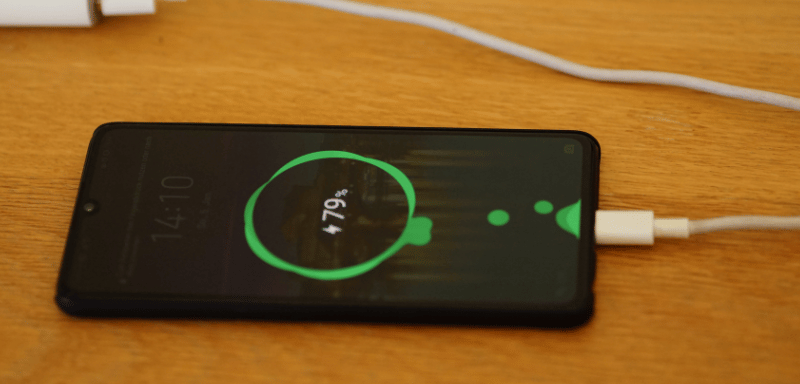
Lay your phone outside the bedroom overnight. When you wake up, let your mind adjust before checking notifications. This reduces the urge to react impulsively to every alert.
Consider leaving your device charging in the kitchen or living room. By delaying tech interaction, your morning priorities stay clearer, with time for reflection before digital input.
Say, “I’ll check my phone after breakfast.” This rule keeps you intentional about digital habits tips before jumping in. Savor your coffee and thoughts before scrolling news or messages.
Establish Consistent Nighttime Device Rituals
Lower your screen brightness one hour before sleep. Set a recurring reminder that says, “Prepare for rest—put your device away.” This consistency signals your brain to slow down.
Move your phone out of reach after 9 p.m. and switch to a physical book or journal. This small boundary limits late-night scrolling and makes sleep transition gentler.
Post a sticky note by your bed: “Phones go silent at 9.” Pairing this note with digital habits tips anchors your decision, making it easier over time.
| Habit | Time | Device Setting | Takeaway |
|---|---|---|---|
| No phone in bedroom overnight | Night | Airplane mode or separate room | Promotes deeper rest; prevents late stress |
| Notifications off until after breakfast | Morning | Email and social apps muted | Protects focus for first hour |
| Nightly blue light filter enabled | Evening | Blue light reduction schedule | Supports natural sleep cycles |
| Device-free meals | Meals | Leave phone elsewhere | Enhances present-moment awareness |
| 15-minute tech review before bed | Night | Check schedule, reminders only | Mental organization; wind down |
Organize Your Notifications to Stay Productive All Day
Managing notifications well stops endless interruptions. You can use digital habits tips to train your devices to support your true priorities, not random distractions.
Review notification settings for every app. Disable non-urgent alerts and group reminders. This investment streamlines your interactions, so you react calmly, not reflexively, throughout the day.
Turn Off Non-Essential Alerts
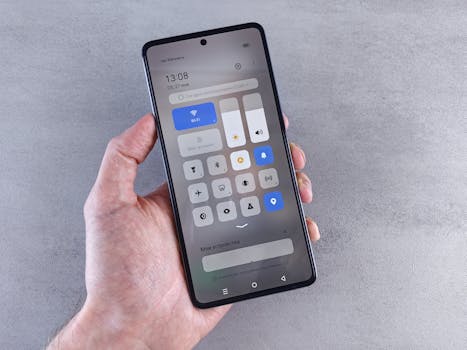
Identify apps cluttering your lock screen. Tap through “Settings > Notifications.” Disable banners for games, retail offers, and social badges unrelated to actual connections or work.
After silencing excess alerts, keep only what’s vital. Messages from family, schedule reminders, or anything time-sensitive should stay. Digital habits tips mean prioritizing your needs, not the app’s.
- Mute group chat notifications except important conversations. This stops constant buzzing and lets you respond thoughtfully, not impulsively.
- Disable promotional emails from shopping and news apps. This change clears the mental clutter and lets you notice only urgent or meaningful updates.
- Pause social media notifications except direct messages. When needed, check feeds by choice, not routine.
- Silence calendar reminders except critical tasks or meetings. Prioritize upcoming deadlines by star-marking your top events.
- Turn off badges for all non-essential apps. This prevents the visual pressure of red circles and resets your mental baseline.
Success means your phone stays quiet except during intentional, helpful interruptions. Apply digital habits tips by reviewing settings monthly.
Schedule Notification Digests for Set Times
Batch lower-priority notifications into a twice-daily digest. Find this under your notification settings. Choose two times for summary delivery that fit your routine.
For example, get all shopping or promotion alerts at lunch and after work—never in the middle of focus hours. This builds rhythm and lets you choose when to check.
- Enable email summary mode, so all newsletters arrive in one folder. Skim them in a single sitting rather than piecemeal interruptions all day.
- Set social apps to deliver updates at 12:30 p.m. Review during lunch, swipe through, then mute again.
- Configure news apps to send one push daily. Check headlines over coffee, not every hour.
- Set a rule: clear notification badges before bed, not during dinner or family time.
- Use focus modes: Work, Family, Rest—with preset notification rules for each. Quick toggles help you shift without effort.
With these digital habits tips, your devices remind you only when you decide, not at random.
Create Action-Based App Layouts for Effortless Access
Positioning apps by action keeps your tasks predictable. Digital habits tips can help you group apps where and when you need them, so you skip hunting each time you unlock your device.
Label folders by verbs: “Pay,” “Read,” “Call,” “Edit,” or “Shop.” The next time you say, “I want to check my account,” your finger locates the folder instantly.
Design Home Screens by Daily Routines
Arrange top apps in order of your typical day—calendar, notes, messaging, and music up front. Shift entertainment or shopping apps to the second page, reducing idle scroller temptation.
If you constantly check transit times at 8 a.m., put the transit app on the dock. Sync your home screen to your actual workflow, powering your day with digital habits tips.
Every few weeks, review your layout. Ask, “Have my habits changed?” Move less-used apps into folders named for less frequent tasks, keeping your core routines visible and easy to reach.
Maintain a One-Tap Access Rule for Essentials
Try a rule: any app used more than three times daily must be accessible from the first home screen, preferably in the dock or top row.
For rare utilities—like airline apps—store them in a “Travel” folder off the main page. Less visible means fewer distractions. Digital habits tips prioritize daily needs.
Every Sunday, tidy up: remove any app that steals too much time but gives little value. This refresh trains your brain to see your phone as a tool, not a toy.
Automate Simple Tech Actions to Free Up Mental Space
Automation trims repetitive tasks from your day. By setting automatic reminders, light controls, or payment schedules, digital habits tips create more time for real decisions and meaningful work.
Set up routines to handle daily basics—like backing up photos at midnight or turning on silent mode at work. This lifts the mental load and makes tech work for you, not the reverse.
Build Personalized Automation Sequences
Imagine saying, “Device, start my morning,” and your phone plays calming music, opens your calendar, and turns off night mode.
Automate a “Leave home” button. When tapped, it sends a traffic update, lowers your thermostat, and locks your front door app—all in one go. Digital habits tips deliver time and confidence.
Record your voice as a trigger, like “Remind me to stand up every hour.” These gentle nudges replace dozens of scattered alarms, shaping your day with less mental effort.
Regularly Review and Update Automations
Once a month, revisit your automation list. Is every shortcut still relevant? Delete old ones, and add fresh routines that reflect new responsibilities or interests.
If you start a new exercise routine, add an automatic end-of-day reminder—“Stretch and log water.” Automations should reflect your current digital habits tips and goals.
Tidy up automation triggers every quarter. Remove duplicates, merge similar routines, and test for conflicts. Reliable automations make tech feel smoother, not clunky.
Apply One-Minute Digital Decluttering Strategies Each Day
Quick cleanup habits help your phone and mind breathe. Applying digital habits tips like daily one-minute tasks prevents clutter and resets your device for smoother performance.
Each morning, take a single minute to delete screenshots, old notes, or unread downloads lingering since last week. This habit lets your favorite files and apps shine without getting lost.
Combine Decluttering with a Daily Routine Step
Choose consistent times—after lunch or while waiting in line—to clear five unused photos, emails, or notifications. Tie this step to another daily routine to make it stick longer.
If you brush your teeth and clear junk photos right after, these back-to-back moves become seamless. Digital habits tips work better when you pair them with other non-negotiable habits.
Periodically, rename newly saved files right away. Clear, quick labeling means less confusion and an easier search when you actually need them later.
Archive or Move Files for Simpler Access
Every Friday, dedicate sixty seconds to moving completed projects into labeled folders—or simply off your phone if no longer needed. Pick a file, move, repeat.
Organize work documents, travel photos, or receipts with clear folder names: “2024 Work,” “Trip Vegas,” or “Taxes This Year.” This hands-on archiving reflects organized digital habits tips and less stress.
Set a calendar repeat: after big events, clear related files and store highlights. Consistency keeps your device—and your head—uncluttered, day after day.
Use Smart Reminders to Act on Priorities, Not Just Tasks
Smart reminders transform simple to-do lists into powerful life nudges. Crafting reminders with action words and meaningful context, along with digital habits tips, ensures you follow through with the right priorities.
Schedule reminders that say more than “pay bill.” Try, “Review budget and pay bill by 3 p.m.” Specifics anchor actions in time and context, not just in theory.
Add Context and Time to Each Reminder
For meetings, try: “Call Jamie about report—prepare notes first—at 10 a.m.” This mini-plan makes it clear when and how the task gets done, supporting smart digital habits tips.
If your phone vibrates with, “Buy groceries after 5 p.m. today,” you’ll know exactly when to swing by the store on your route home. Timed reminders prompt action, not just awareness.
Use recurring reminders for weekly errands. Set, “Sort mail and recycle flyers every Sunday at 7 p.m.” This rhythm builds habits that stick, freeing memory for bigger plans.
Pair Reminders with Rewards or Celebrations
Mark successful habit streaks with mini rewards—after a productive work block, treat yourself to a coffee break or song. Rewards reinforce digital habits tips and make them enjoyable.
Write, “Send project update—ten minutes of downtime right after” as your reminder. Pairing tasks with breaks adds incentive and creates a sense of completion and satisfaction.
When you meet a big goal, let your reminder read, “Finish assignment—text Alex: done!” Sharing achievements with someone brings recognition, making good habits memorable and worth repeating.
Adopt Digital Pauses to Recharge Focus Throughout the Day
Short pauses restore mental clarity. Adding digital habits tips like scheduled breaks helps maintain high focus, energy, and productivity hour by hour—not just all at once.
Every ninety minutes, stand up or stretch for sixty seconds. Use tech to prompt—not distract—by setting gentle, recurring nudges for breaks.
Use Guided Pause Apps with Timed Breaks
Install a break reminder or meditation app. Set specific times—10:30 a.m., 1 p.m., 3:30 p.m.—for quick, intentional breathers from screens. This practice supports digital habits tips for your health and mind.
If anxious before meetings, try a one-minute visualization or deep-breathing session. Responsive pause apps match your energy, helping you shift from tense to steady.
Scheduled pauses also set a positive example for coworkers or family: “Let’s all take a two-minute screen-free pause!” Collective breaks foster group well-being.
Build Screen-Off Mini-Rituals Between Tasks
Make a habit: after finishing any large task, power off your phone or flip it upside down. Sip water or walk to a window.
Ritualize with repeatable actions: “Send report, turn off screen, stretch arms overhead.” The sequence embeds digital habits tips into daily transitions, building energy for the next project.
Notice the difference in your mood after each pause. A renewed mind increases sharpness for the next burst of work and helps prevent fatigue.
Final Thoughts: Small Changes, Big Results from Consistent Tech Habits
Consistently using digital habits tips makes technology a supportive partner, not a source of overload. Small actions, performed regularly, build smoother, more intentional days.
Each tip above adds structure and calm to your tech life—a few seconds to clear clutter, a scheduled pause, or smarter, context-based reminders all yield significant rewards over time.
By treating your routines as evolving tools, you empower yourself to choose how digital devices serve your day. Simple digital habits tips truly transform efficiency and well-being.