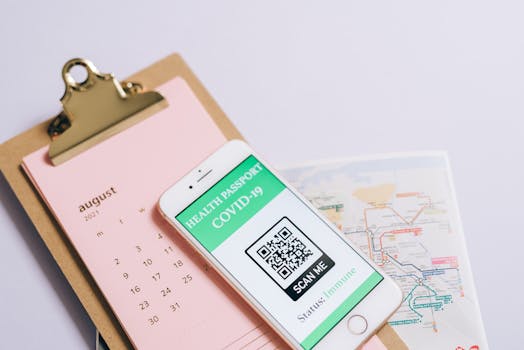
When travel dreams meet the real world, juggling details can feel overwhelming. From choosing dates to mapping routes, the flood of options multiplies fast.
Proactive travelers rely on digital trip planning tools to bring structure to the chaos. These solutions transform disconnected chores into a manageable and enjoyable workflow.
Read on to discover practical approaches, tech-powered routines, and real-life examples anyone can adopt to make every trip easier and more rewarding from start to finish.
Designing a Seamless Pre-Trip Routine With Smart Tools
Building a reliable system at the start prevents last-minute scramble. Digital trip planning tools streamline the process right from destination research to itinerary creation.
When everything syncs, travelers make stronger choices and waste less time. The outcome is a smoother trip—fewer surprises, greater satisfaction, and actionable confidence.
Connect Calendars and Save Research Fast
Start by collecting what you find. Clip webpage highlights, paste them into a notes app, and cross-reference your calendar for potential vacation windows without missing work deadlines.
Try, for example, scheduling an alert three months before preferred trip seasons. Writing “Double-check flights and hotel deals October 1” in your calendar keeps plans proactive and stress-free.
When inspiration strikes—like a friend’s city tip—log it in a traveling folder to revisit later. Consistency with digital trip planning tools will pay off when finalizing details.
Draft Itineraries Visually for Insight and Flexibility
Seeing a trip plan visualized can reveal overlooked connections. Drag and drop days, hotel addresses, and activity blocks into a planning app that displays them week by week.
For example, color-coding sightseeing days versus transit days makes inefficiencies obvious. You might notice, “I’m zig-zagging between neighborhoods,” and opt to cluster activities by location.
Micro-adjusting your plans at this stage using trip planning tools saves hassle when you’re on the road, letting you travel intuitively and within budget.
| Tool Name | Best Use Case | No. of Trip Integrations | Quick Takeaway |
|---|---|---|---|
| TripIt | Centrally organizing all confirmations | 1000+ | One inbox forward brings order to scattered bookings |
| Google Maps My Maps | Visualizing custom routes | N/A | Drag pins for neighborhoods, see distances instantly |
| Roadtrippers | Planning road trips with stops | 50+ | Add waypoints, estimate fuel and driving hours |
| Kayak Trips | Searching and managing flight/hotel deals | 2000+ | Compare prices, find best travel windows quickly |
| Notion Templates | Comprehensive trip dashboards | Unlimited | Centralize packing, research, ticket tracking and notes |
Reducing Stress by Automating Key Travel Prep Tasks
Making travel smoother means less mental baggage. Automating repetitive tasks through robust trip planning tools prevents manual errors and frees your focus for what matters.
For example, enable integration features to automatically add booked flights and events to your main smartphone calendar the moment you confirm.
Let Reminders and Shared Tasks Do the Lifting
Set reminders not only for the trip itself, but for pre-trip actions. Packing, early check-in, and setting an out-of-office email each deserve a standalone alert.
Involve everyone in your group trip by sharing checklists in collaborative planning apps. “Pack hiking boots” written out as a shared reminder saves time and avoids frustration onsite.
- Sync packing lists across devices to keep everyone aligned, reducing misplaced items.
- Use batch reminders for recurring purchases (e.g., toiletry refills ahead of every trip) and mark them done on your mobile device.
- Share itinerary blocks with all travel companions, reducing misunderstandings at airports or check-in counters.
- Group visa or vaccine appointment reminders to get everyone prepared before departure without last-minute panic.
- Tag key documents digitally, so you can pull them up instantly when needed, even in offline mode if needed.
This approach, using trip planning tools with built-in reminders, protects your pre-trip experience from common cracks where issues slip through.
Segment Personal vs. Work Travel for Clarity
Personal and business trips demand different packing, budgeting, and documentation. Separate trip folders in your planning suite to match your precise needs and reduce future errors.
- Create a dedicated calendar for work trips and link to expense tracking forms, improving reimbursement speed and accountability.
- Label files and receipts by trip, not by item, simplifying documentation for audits or tax season.
- Enable category-based notifications (“submit mileage” versus “send itinerary to family”) to avoid sending sensitive info to the wrong audience.
- Establish distinct workflows for each category, like reserving coworking spaces for business travel only.
- Add review checkpoints after every trip to update templates or routines for future journeys—never recreate your process from scratch.
Consistently organizing in this way with digital trip planning tools creates clarity and lets you adapt smoothly for any travel context.
Comparing Digital Solutions for Different Travel Styles
Not every traveler has the same needs. Families, solo travelers, and business road warriors require tailored trip planning tools for their style and scale.
Choosing the right tool means you can work with ease—much like a chef choosing the best knife for the recipe.
Group Travel: Streamline Communication and Budgets
Coordinate with chat threads for group consensus—”Who’s available May 7-14?”—and use voting features to lock down destinations or hotel options, reducing back-and-forth.
Centralize contributions, like splitting costs for shared rooms or meals. Assign categories (“paid,” “due,” “pending”) for transparent budget tracking, fostering trust and clarity among friends.
Instantly share updated itineraries with every trip participant in a format readable without technical skills, turning confusion into action, especially with complex plans or changing schedules.
Solo Travel: Prioritize Safety and Flexibility
Link location-sharing tools with an emergency contact. Add “Check-in via text when I arrive at the hotel” as an automatic reminder to ensure safety abroad.
Bookmark attractions and alternate routes, noting operating hours and reviews. Leave space for spontaneous detours, but preload plans offline to prevent information loss in spotty Wi-Fi areas.
Track evolving budget caps by logging daily expenses and scanning receipts from your phone, so adjustments can be made immediately while priorities change on the road.
Fine-Tuning Location Planning for Maximum Efficiency
Maximizing time at your destination means sequencing activities intentionally. Pin locations in mapping trip planning tools, then evaluate the most efficient order for your priorities.
Immediate mapping reveals inefficiencies, such as visiting two remote sites on the same day, and lets you swap activities for smoother timing (“Move art museum visit to Thursday to avoid crowds”).
Layer Points of Interest by Category
Add categories like “must-see”, “food stops”, and “rest areas” into your map app. This creates visual cues for quick reference at each trip stage and keeps high-priority stops top of mind.
Bundle similar stops and minimize commuting. For example, cluster attractions within walking distance, saving energy and maximizing valuable sightseeing hours each day.
Pin public transportation points, such as subway exits or bus stops, to switch routes on the fly if delays strike, preserving flexibility while following a structured plan.
Create If/Then Itinerary Adjustments
Prepare backup blocks in your plan: “If it rains Tuesday morning, switch outdoor market visit with a museum.” This versatility prevents wasted downtime or disappointment if plans shift.
For families, add kid-friendly and adult-only alternatives. Tag the options “quiet time activity” or “quick meal substitute” for practical, real-time decisions with your travel group.
Store these options offline for areas with weak data signals. When presented with a closed venue or delayed transit, your fallback schedule is a click away, thanks to robust trip planning tools.
Using Templates and Routines to Boost Repeat Travel Success
Repetition breeds efficiency. Reusing templates in your trip planning tools means your prep gets smoother every trip, whether for business, family holidays, or last-minute getaways.
Saving your best packing list, confirmation forwarding sequence, and post-trip expense log ensures fewer forgotten details, even when travel is spontaneous or complex.
Build Your Own Packing Master Template
Draft a universal checklist in your favorite app, then edit for specifics each time. “Passport, charger, rain jacket” headline every journey and reduce cognitive load each new trip.
Create spinoff lists for seasonal or international variants. This modular approach offers adaptability: just drop in “beach trip” or “conference gear” as an add-on for the next adventure.
Share your template with family members to encourage collaboration. Everyone benefits from a refined formula that speeds organization and slashes pre-trip stress with minimal extra effort.
Schedule Pre/Post Trip Reviews for Constant Improvement
After every journey, set a calendar event for a 10-minute debrief. Open your template, then add “lost time at airport,” “extra charger needed,” or “hotel too far from train.”
Small tweaks build wisdom trip by trip. Update your doc so mistakes never repeat. Set a quarterly reminder, “Review trip folder,” to keep templates sharp for all future travels.
This evolving toolset grows with you, making the next round of planning easier, faster, and more enjoyable. The best trip planning tools always improve with real experience.
Integrating Budgeting and Expense Tracking Tools for Smarter Travel
Combining trip planning tools with expense tracking features makes your spending transparent. Travelers can review budgets before, during, and after the trip, preventing costly surprises.
Logging real-time expenses creates instant accountability, letting you adjust on the fly if certain categories (‘dining out’ or ‘transportation’) start creeping past allocated limits.
Automate Receipts and Categorize Transactions Instantly
Use scanning features in apps to save paper receipts as digital files, tagged to each trip for quick review later. Forward confirmation emails directly to your dashboard for automatic sorting.
Apply custom categories: “Meals New York 2024” versus “Hotel Tokyo 2025”, so every dollar spent tells a clear story. Export breakdowns after the trip for sharing with travel partners or for personal records.
Set weekly caps or real-time notifications for specific budget segments. For example, “Ping me when I reach $150 on taxis” keeps costs in check, no math required while exploring.
Transforming Trip Planning From Chore Into Habit
When digital trip planning tools become routine, even spontaneous travels feel managed. Consistently used, these systems cut anxiety and add anticipation to the entire adventure.
The best habits grow from being realistic. Begin by automating one task, such as sending yourself packing reminders every Tuesday three weeks before your travel date.
Over time, these micro-habits stack, forming a baseline process. Copy this approach for booking, confirming, and reviewing, and soon, your travel system feels natural and reliable.
Trip planning tools aren’t just one-off gadgets—they’re foundations that let wanderers of every kind unlock opportunities with less hassle and greater peace of mind every journey.
Incorporate these digital systems, and watch as your travels—near or far—shift from overwhelming to empowering, with every journey building your personal playbook for future success.